Thinking about moving to Colorado Springs because you want easier access to trails, mountain views, and a little more breathing room? You are not alone. For many buyers, the appeal is finding a home base that feels close to nature without giving up everyday convenience. This guide will help you understand where a foothills lifestyle fits best in and around Colorado Springs, what tradeoffs to expect, and how to narrow your search with more confidence. Let’s dive in.
What a foothills lifestyle means
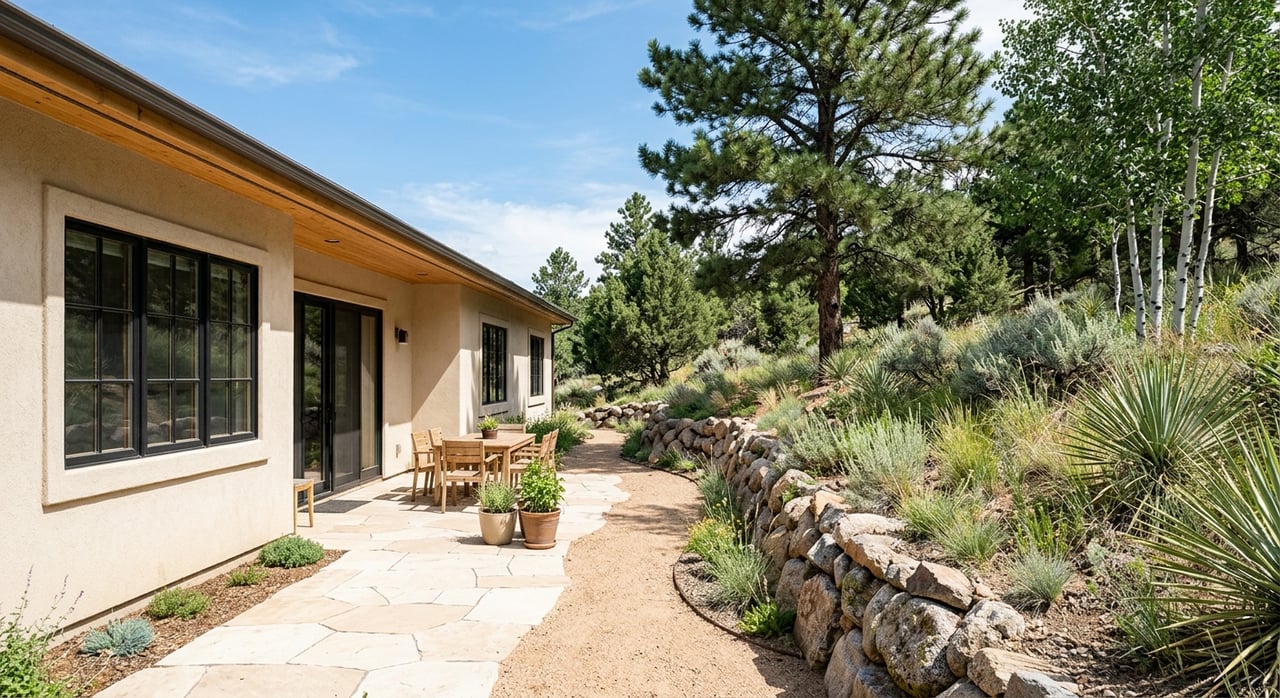
A foothills lifestyle in Colorado Springs usually means living closer to the city’s western edge or in nearby mountain-adjacent communities where outdoor access becomes part of your daily routine. You may be looking for trail proximity, mountain views, a quieter setting, or a home that feels tucked into the landscape while still keeping services and commuting options within reach.
Colorado Springs gives you more than one way to do that. The city is large, with an estimated population of 493,554 in 2024 and a footprint of 195.4 square miles, which means your lifestyle and commute can vary a lot depending on where you land. According to the U.S. Census QuickFacts for Colorado Springs, the mean one-way travel time to work is 22.7 minutes, which helps explain why many buyers try to balance access to the foothills with practical daily routines.
Why Colorado Springs works well
Colorado Springs stands out because outdoor amenities are woven into the housing story. The city is home to places like Garden of the Gods, a 1,341.3-acre city park, along with North Cheyenne Cañon Park on the southwest side and Blodgett Open Space along the foothills near Pike National Forest.
If you are relocating from out of state, this matters in a real way. You can choose a neighborhood that keeps you in the city while still putting trail systems, canyon drives, and mountain backdrops within easy reach. In other words, you do not have to move deep into a remote mountain market to get a more outdoors-focused lifestyle.
Best in-city foothills areas
West side neighborhoods
For many buyers, the clearest in-city foothills fit is the west side. The city’s Greater Westside Community Plan includes neighborhoods such as Gold Hill, Ivywild, Mesa, Mesa Springs, Midland, Old Colorado City, Skyway, Stratton Meadows, and Westside.
These neighborhood names matter because they help you focus your search on areas commonly associated with older homes, mountain-influenced surroundings, and stronger access to west-side amenities. If your goal is to stay inside Colorado Springs while getting a more foothills-oriented feel, this is often the first part of the map to study.
Southwest foothills edge
If you want to be even closer to the canyon and foothills interface, the southwest side deserves special attention. The city’s wildfire town-hall materials identify Bear Creek, Broadmoor Bluffs, Broadmoor Hills, Broadmoor Oaks, Lower Skyway, Old Broadmoor, Quail Lake, and Upper Skyway as key areas along that transition zone.
These locations can appeal to buyers who want a stronger sense of being near the landscape rather than simply having mountain views from farther east. They also come with some practical planning considerations, especially around wildfire readiness, which we will cover below.
Manitou Springs option
If you love the idea of a mountain-town atmosphere but still want to stay close to Colorado Springs, Manitou Springs is one of the most recognizable options. The city describes itself as a home-rule city of about 5,000 residents at 6,412 feet above sea level, occupying about 3 square miles between Pikes Peak and Garden of the Gods. Its parks department also reports 30 acres of parks and more than 10 miles of trails, according to the City of Manitou Springs.
For some buyers, Manitou Springs is the sweet spot. It offers a more compact, mountain-adjacent setting without fully disconnecting from the Colorado Springs orbit.
Nearby communities to compare
Not every relocation buyer needs to be inside city limits. Depending on your work, lifestyle, and space needs, a nearby community may make more sense.
Monument for north access
Monument is a strong option if you want a smaller-town feel and still need access to I-25. The town says it sits about 20 miles north of Colorado Springs in the Pikes Peak region and had an estimated population of 13,408 in 2024, according to the Town of Monument community page.
This can be a smart compromise if your routine depends on north-corridor travel. You may give up some of the classic west-side Colorado Springs foothills feel, but you gain a location that many buyers find easier for regional commuting.
Palmer Lake for village feel
Palmer Lake offers an even smaller-scale setting. The town describes itself as the northernmost community in El Paso County, about 20 miles north of downtown Colorado Springs and just off I-25, with a 2020 population of 2,624, according to the Town of Palmer Lake.
If you are drawn to lake, trail, and small-downtown living, Palmer Lake may be worth a closer look. It tends to appeal to buyers who care more about character and pace than having a central in-city address.
Woodland Park for mountain-town living
Woodland Park is the choice for buyers who want the strongest mountain-town tradeoff and are comfortable with a longer drive. The city says it is about 30 minutes west of Colorado Springs, sits at about 8,500 feet, and is surrounded by 1 million acres of Pike National Forest, according to the Woodland Park Police Department annual report.
This is less about staying plugged into the city and more about prioritizing scenery, elevation, and a stronger mountain setting. For the right buyer, that tradeoff is absolutely worth it.
Pueblo West and Cañon City alternatives
Some relocation buyers are not looking for a classic Colorado Springs foothills commute at all. They are looking for more space, a regional lifestyle, or a property search that stretches farther south.
Pueblo West serves about 33,000 residents over 49.10 square miles and highlights Lake Pueblo, horse trails, mountain views, and outdoor recreation, according to the Pueblo West Metropolitan District. Cañon City describes itself as a small town in a mountain bowl along the Arkansas River valley at about 5,300 feet, with a population of about 17,363, according to the City of Cañon City.
If your focus is more on space, scenery, or a broader southern Front Range lifestyle, these markets can deserve a place in your search even if they are not the most direct fit for a daily Colorado Springs commute.
How commuting shapes your choice
In this region, your address and your road network are closely connected. Colorado Springs commuting is heavily corridor-based, and a foothills lifestyle can feel either convenient or frustrating depending on which routes you use most often.
The Colorado Department of Transportation describes US 24 near Colorado Springs as a congested suburban corridor supporting regional commuter traffic. CDOT also calls CO 115 a vital commuter route linking Colorado Springs with Fort Carson, Penrose, Florence, Cañon City, and Pueblo West. In practical terms, US 24, I-25, and CO 115 are the roads that often determine whether a location works well for your routine.
North-south travel is especially tied to I-25. CDOT notes that the South Gap project between Monument and Castle Rock was completed in 2022, improving a long-congested stretch between Denver and Colorado Springs. That helps north-corridor commuters, but it is still wise to map your most common trips before choosing a neighborhood.
Mountain Metro Transit provides fixed-route service in Colorado Springs and into Manitou Springs and Widefield, according to Mountain Metropolitan Transit. Still, in many foothills locations, a car remains important for day-to-day flexibility.
Practical tradeoffs to expect
A foothills lifestyle can be rewarding, but it also asks you to think more carefully about ownership details. That is especially true if you are comparing more urban neighborhoods with foothills-edge or mountain-adjacent areas.
One of the biggest considerations is wildfire readiness. Colorado Springs treats wildfire preparedness as an ongoing issue in its wildland-urban interface, runs town halls for foothills neighborhoods, and requires mitigation measures for new construction in the WUI, according to the city’s Wildfire Ready page.
That does not mean you should avoid foothills properties. It means you should go in with a clear understanding of what maintenance, construction standards, and long-term planning may look like in certain areas.
A simple way to narrow your search
If you are trying to organize your options, this framework can help:
- Choose west-side Colorado Springs or Manitou Springs if you want the closest foothills feel while staying near city services.
- Choose Monument or Palmer Lake if north-corridor access and a smaller-town setting matter most.
- Choose Woodland Park if mountain-town scenery outweighs commute convenience.
- Choose Pueblo West or Cañon City if you are prioritizing space, scenery, or a broader regional lifestyle over a tight Colorado Springs commute.
The right fit depends on how you want your days to feel, not just what looks good on a map. When you pair lifestyle goals with commute patterns and property type, your search usually becomes much clearer.
What to keep in mind when relocating
Relocating successfully is about more than picking a pretty view. You also want to think through how often you will drive into the city, what kind of lot or home style fits your maintenance comfort level, and whether you want an in-city foothills neighborhood or a more distinct small-town setting.
If you are considering land, acreage, or homes in more rural or edge locations, local guidance matters even more. Details tied to access, site conditions, and the practical side of foothills living can shape your experience long after closing day.
If you want help comparing west-side Colorado Springs with communities like Monument, Palmer Lake, Pueblo West, or Cañon City, John Liese Properties can help you sort through the tradeoffs and find the location that fits your version of Colorado living.
FAQs
What areas in Colorado Springs feel most like the foothills?
- West-side neighborhoods and southwest foothills-edge areas like Skyway, Bear Creek, and parts of the Greater Westside are among the strongest in-city matches for a foothills lifestyle.
Is Manitou Springs a good choice for a foothills lifestyle near Colorado Springs?
- Yes. Manitou Springs offers a compact mountain-adjacent setting close to Colorado Springs, with parks, trails, and a distinct small-town atmosphere.
How important is commuting when relocating to Colorado Springs foothills areas?
- It is very important because daily convenience often depends on your access to major corridors like I-25, US 24, and CO 115.
What should buyers know about wildfire planning in Colorado Springs foothills areas?
- Buyers should know that wildfire preparedness is an ongoing part of ownership in some foothills and WUI areas, and the city provides guidance, town halls, and mitigation standards.
Which nearby towns fit buyers who want a Colorado Springs foothills lifestyle?
- Monument, Palmer Lake, and Woodland Park are common nearby options, while Pueblo West and Cañon City may fit buyers who prioritize space or regional lifestyle over a tighter commute.