Selling acreage in Canon City is different from selling a house in town. Buyers are not just looking at square footage or finishes. They are asking hard questions about access, water, septic, boundaries, and whether the land is as usable as it looks in the photos. In a buyer’s market, that extra scrutiny matters even more. If you want a smoother sale and stronger buyer confidence, the right prep work can make a real difference. Let’s dive in.
Why acreage prep matters now
As of April 2026, Fremont County was a buyer’s market, with 742 homes for sale, a median listing price of $400,000, median days on market of 65, and homes selling at about 97% of list. In Canon City, the median listing price was $379,900 and median days on market was 57. That means buyers have options, and they can afford to compare one acreage property against another.
For you as a seller, this creates a clear takeaway. The better documented and better presented your property is, the easier it is for buyers to see its value. Acreage buyers tend to focus closely on practical issues, so preparation is not just cosmetic. It is part of your pricing and negotiation strategy.
Start with access and road questions
For rural and semi-rural property, access is one of the first things buyers want to understand. In Fremont County, private roads and driveways are not maintained by the county, and county snow removal prioritizes mainline roads before smaller roads. Private drives are not plowed except in a life-threatening emergency.
That means you should be ready to explain how buyers reach the property year-round. If winter travel is straightforward, say so clearly and support it with facts. If access is seasonal, steep, shared, or on a private drive, it is better to disclose that early than let it become a surprise later.
Check your driveway permit status
Fremont County requires a driveway access permit for access from any county maintained or unmaintained right-of-way. The county inspector must approve the location and any required improvements before a building permit can be issued. The process includes an on-site meeting, a sketch or plot map, sight-distance review, drainage details, and culvert standards.
If your property has an established driveway, gather any permit records you have. If records are missing or unclear, that is worth looking into before listing. Buyers often want confidence that access is legal, usable, and properly placed.
Be honest about winter use
A long driveway, shaded slope, or private road is not always a dealbreaker. What matters is clarity. If the driveway is easy to use in all seasons, document that. If it needs four-wheel drive during snow events or regular private maintenance, that is useful information buyers will want up front.
Document your water source
Water is one of the biggest issues on acreage in Fremont County. For building permits, the county requires evidence of a potable water supply. A well construction and test report or pump report is typical documentation.
If your property is served by a well, gather every water-related document you can find. This may include the well construction report, test results, pump information, and any recent service records. When buyers see organized records, they tend to feel more comfortable moving forward.
If you use a cistern or bulk water
If the property relies on bulk water or a cistern, this needs careful disclosure. Fremont County accepts cisterns only in limited situations and does not guarantee them as a long-term source. That does not mean your property cannot sell, but it does mean buyers will likely have more questions.
The best approach is to explain the setup clearly and early. Show how the system works, what records you have, and what buyers should understand about the water source. Removing uncertainty where you can helps keep the sale on track.
Get ahead of septic concerns
Septic is another area where buyers often look for proof of maintenance. Fremont County recommends professional inspection and tank pumping about every two to three years for standard systems. If your septic has not been evaluated in a while, this is a smart item to address before you hit the market.
A recent inspection or pumping receipt gives buyers something concrete to review. It also reduces the chance that a routine septic question turns into a negotiation problem. For acreage properties, small maintenance records can carry a lot of weight.
Review outbuildings before listing
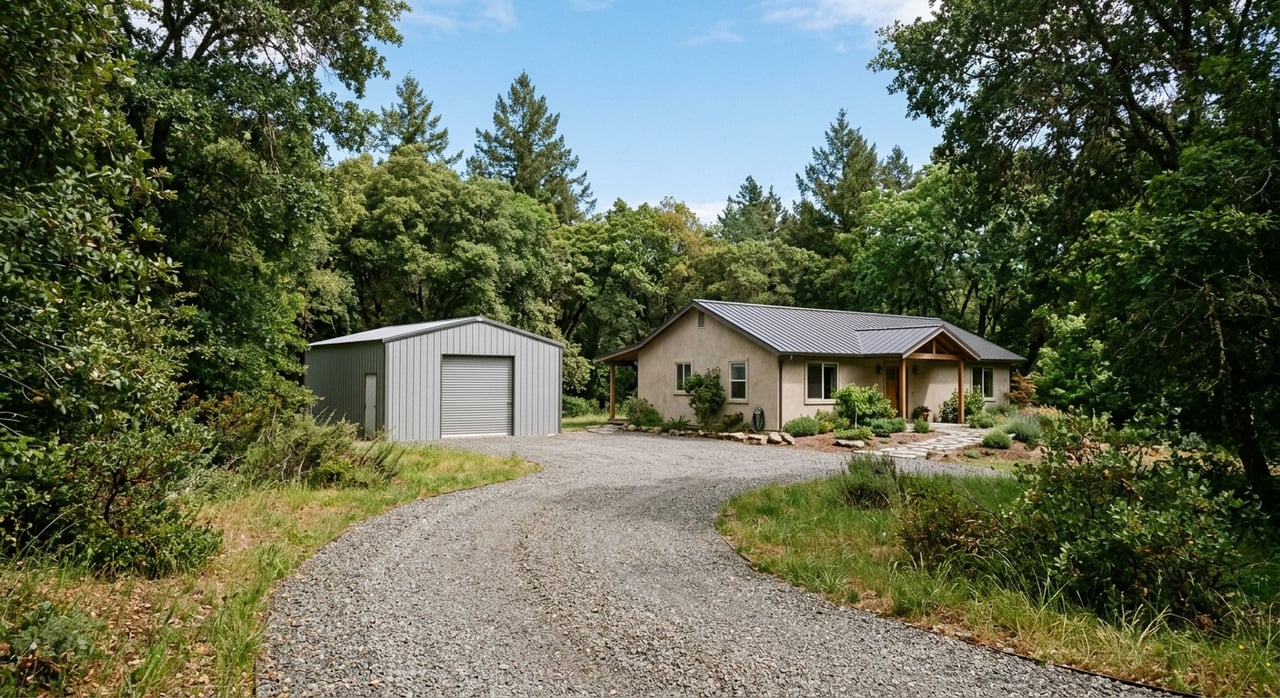
On Canon City acreage, outbuildings can be a major selling feature. A barn, detached garage, carport, shed, or pole barn may add real utility, but only if buyers understand what it is, where it sits, and whether it appears properly permitted.
Fremont County’s accessory structure checklists call for items such as the recorded deed, verified address, driveway access permit, and a plot plan showing lot dimensions, structures, setbacks, adjoining roads, and driveway location. Floor plans and construction details are also required for many accessory structures. The county zoning resolution also states that a separate building permit is required for each building or structure, and accessory buildings may not extend into required setbacks.
Clean, organize, and simplify
Even if your outbuildings are legal and useful, appearance still matters. Clear out scrap piles, stack materials neatly, sweep floors, and remove broken equipment if possible. Buyers should be able to picture how they would use the space, not wonder how much cleanup they will inherit.
This is especially important for barns, workshops, and storage sheds. A tidy outbuilding feels more valuable and more functional. It also photographs much better.
Remove eyesores the right way
If you plan to tear down an old shed or other structure before listing, do it the correct way. Fremont County requires a demolition permit, utility sign-off, and the lot must be filled and maintained to existing grade afterward.
Skipping that step can create new problems during due diligence. If a structure is truly hurting the property’s appeal, removing it can help, but make sure the work is documented properly.
Clarify boundaries before buyers ask
Boundary questions come up often with acreage sales. The Fremont County Surveyor notes that its office reviews and indexes land survey plats, while the Clerk and Recorder maintains searchable public records including deeds, subdivision maps, plats, and surveys. That makes these offices useful starting points when you need to pull together property records.
Just as important, the county notes that an Improvement Location Certificate is not a land survey. If corners are uncertain, acreage is unclear, encroachments are suspected, or the land may be divided, a professional land surveyor is the right person to call.
Do not rely on estimates
The county surveyor also notes that the assessor’s acreage figure is based on public data and is not guaranteed. If acreage is one of your property’s main selling points, guessing is risky. Verified information is always stronger than an estimate.
If fences do not appear to match property lines, or if buyers may question where the parcel begins and ends, getting clarity now can prevent delays later. It can also help your listing photos, maps, and marketing tell a cleaner story.
Stage the land, not just the house
Acreage staging looks different from staging a typical suburban home, but the goal is the same. You want buyers to imagine using and enjoying the property. That means the land itself needs attention, not just the interior.
Basic land prep can go a long way:
- Mow or trim overgrown areas near the home and main paths
- Remove debris, scrap, and unused materials
- Organize barns, sheds, and detached garages
- Trim around gates, fences, and driveway edges
- Highlight usable outdoor spaces and view corridors
- Make sure photos capture the land in its best light
If your acreage has mountain views, outdoor seating, room for animals, equipment storage, or flexible open space, make those features easy to see. Buyers respond better when the property feels maintained and understandable.
Know which rules apply
One detail that often gets missed is jurisdiction. If your parcel is inside the incorporated limits of Canon City, Florence, Williamsburg, Rockvale, Coal Creek, or Brookside, city building rules apply. Fremont County’s building department serves only unincorporated areas.
This matters if you are gathering records, checking permits, or trying to resolve an old property issue before listing. Starting with the right office saves time and helps you avoid confusion.
Price acreage against acreage
Pricing acreage requires more than looking at nearby homes. Buyers tend to compare properties based on access, water source, boundary clarity, and outbuilding quality, not just by address or home size. A property with organized records and fewer unknowns often presents better than one with the same acreage but more unanswered questions.
In today’s Fremont County market, thoughtful pricing matters. With homes selling at about 97% of list in a buyer’s market, pricing too high can make buyers pause, especially when they have multiple properties to compare. A realistic strategy should reflect the land itself and the level of preparation you have already completed.
A smart pre-listing checklist
Before you put your Canon City acreage on the market, focus on these steps:
- Confirm whether the property is in an incorporated area or unincorporated Fremont County
- Gather driveway permit and access records if available
- Document winter access and private road details clearly
- Collect well, pump, and potable water records
- Disclose cistern or bulk water setups early and accurately
- Schedule septic inspection or pumping if due
- Organize records for barns, sheds, garages, and other structures
- Remove debris and improve the appearance of land and outbuildings
- Review deeds, plats, surveys, and boundary information
- Consider a professional survey if corners or acreage are uncertain
- Price the property against comparable acreage, not just nearby homes
Selling acreage is about reducing doubt. The more clearly you can show what buyers are getting, the more confident they will feel making an offer.
When you are ready to prepare your Canon City acreage for the market, John Liese Properties can help you sort through the details, position the property correctly, and create a plan built for rural and foothill real estate.
FAQs
What should sellers in Canon City acreage listings disclose about road access?
- You should clearly explain whether access is by county road, private road, or private driveway, and share any important winter-use details because Fremont County does not maintain private drives.
What water documents matter most for Fremont County acreage sales?
- For properties with wells, buyers often want to see a well construction report, test report, or pump report because Fremont County requires evidence of a potable water supply for building permits.
What should sellers know about cistern water on Canon City acreage?
- Fremont County accepts cisterns only in limited situations and does not guarantee them as a long-term water source, so early and accurate disclosure is important.
How often should septic systems be maintained on Fremont County acreage?
- Fremont County recommends professional inspection and tank pumping about every two to three years for standard septic systems.
Do outbuildings on Fremont County acreage need permits?
- In many cases, yes. Fremont County states that a separate building permit is required for each building or structure, and accessory buildings must also meet setback rules.
Should sellers get a survey before listing acreage in Canon City?
- If corners are uncertain, acreage is unclear, encroachments are suspected, or buyers may question boundaries, the Fremont County Surveyor says a professional land surveyor is the right person to contact.