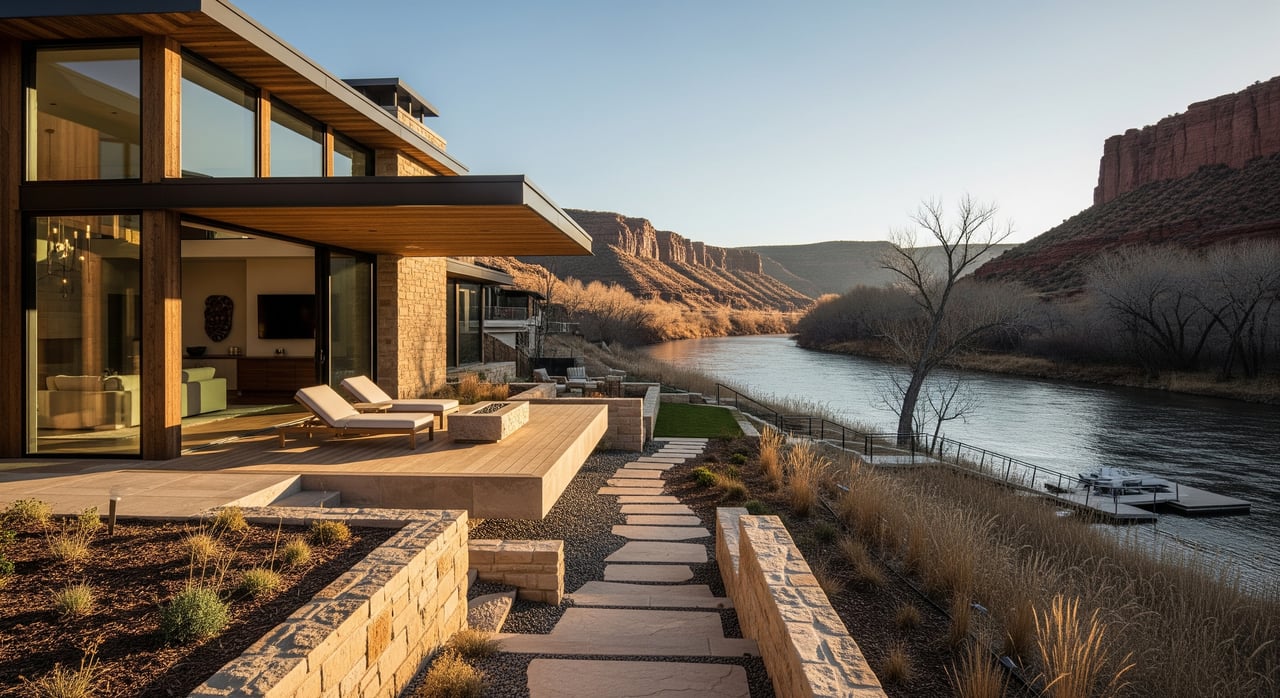
What if your evening walk ended at a rushing river, or your weekend plans started at a nearby boat launch? If you’re drawn to water, living near the Arkansas River in Canon City can feel like an everyday getaway. You want the lifestyle, but you also want clear answers about access, risk, rules and upkeep. This guide walks you through what life really looks like along the river and what to check before you buy. Let’s dive in.
Why the river draws people
The Arkansas River cuts through Canon City and anchors a high-desert riparian landscape with big views and quick access to the Royal Gorge. The corridor is part of the Arkansas Headwaters Recreation Area, a state-managed stretch known for whitewater and year-round outdoor fun. If you love rafting, kayaking or fishing, this location is a standout.
You also get easy regional reach. Colorado Springs is about an hour away, and Denver is roughly two hours, depending on route and traffic. That makes river living workable for commuters, second-home buyers and remote workers who want a mountain-river lifestyle with city access.
For nearby public lands exploring, Browns Canyon National Monument is within a reasonable drive and adds even more hiking, climbing and water access to your weekend options. Learn more about the monument through the Bureau of Land Management’s page for Browns Canyon National Monument.
Access and trails near you
Public access varies by segment, but you will find designated launch and take-out points managed through the Arkansas Headwaters Recreation Area. For exact locations, permitted uses and seasonal guidance, start with the Arkansas Headwaters Recreation Area overview.
Trail connections change by neighborhood. Some streets connect to local riverwalks or park trails, while others require a short drive to a trailhead. The City of Canon City maintains local park and trail maps that show paved and unpaved paths, surface types and parking.
Boating and fishing seasons
River recreation shifts with flows and seasons. Spring snowmelt usually brings higher water in late spring and early summer, which draws more whitewater activity. Late summer and fall often bring lower flows and different boating and fishing conditions. Commercial outfitters are active in peak months, and private boaters use the same network of launches.
If you fish, the Arkansas River is a well-known trout fishery. You need a valid Colorado fishing license and you must follow state regulations. Review license rules, season dates and bag limits on the Colorado Parks and Wildlife Fishing page.
What homes look like along the corridor
You will see a mix of property types:
- Older single-family homes and ranch-style houses with river views or proximity.
- Smaller subdivisions and newer infill with partial views or easy access to riverside parks.
- Rural parcels or ranchettes just outside city limits that sometimes include private river frontage.
- Vacant or sloped parcels near the Royal Gorge area where buildability varies.
Inside city limits, lots are usually smaller and more likely to connect to municipal utilities. Outside city limits, you’ll see larger lots, wells or rural water, and septic systems.
Key risks and rules to plan for
Flood zones and insurance
Flood risk is real along a river. Many parcels near the Arkansas River fall partly or fully in FEMA-designated flood zones. Lenders may require flood insurance, and it can be smart even when not required. Check your exact parcel status at the FEMA Flood Map Service Center, and ask for an elevation certificate during escrow.
Permits, setbacks and bank work
Any work on or near the riverbank, such as docks, bank stabilization, retaining walls or vegetation removal, usually requires permits. Expect to coordinate with city or county planning, and in some reaches with state agencies that manage the corridor. Start with your local planning staff for process and setbacks, and confirm any AHRA-related approvals via the Arkansas Headwaters Recreation Area overview. For parcels outside city limits, review requirements with Fremont County Planning.
Utilities, septic and water rights
In town, municipal water and sewer are common. In rural pockets, you may rely on a well and septic. In Colorado, land ownership does not automatically include the right to take water from the river. Water rights are a separate legal matter. Get familiar with the basics through the Colorado Division of Water Resources.
Daily life: benefits and trade-offs
Living near the river adds spontaneity to your days. Quick launches, short trail runs, a cast after dinner — it all fits. You will also feel seasonal rhythms. Summer weekends near popular access points can bring traffic, shuttle vans and more noise.
Parking can tighten where public access lots meet residential streets. Some neighborhoods remain quiet and residential; others feel lively when outfitters and visitors arrive. Visit at different times of day and week to get a fair read on how a location feels.
Maintenance checklist for river living
- Manage moisture: watch basements and crawl spaces for seepage, and plan for dehumidification.
- Inspect for erosion: after high flows, review banks and any stabilization work.
- Landscape for riparian sites: use native plantings, watch for noxious weeds, and check local rules.
- Plan for seasonal cleanup: logs and silt can move during high water.
- Maintain docks or stairs: budget for inspections, permits and winter storage if you add structures.
- Prepare for insects and wildlife: include pest management in your routine.
- Budget insurance: get homeowners and flood quotes early and compare options.
Buyer due-diligence checklist
- Confirm flood-zone status: pull FEMA maps and request an elevation certificate. Ask your lender about flood insurance requirements and estimated premiums using the FEMA Flood Map Service Center.
- Ask about flood history: request seller disclosures, photos and records of flood or erosion repairs.
- Verify utilities and wastewater: determine if the property uses municipal water/sewer or well/septic and confirm maintenance history.
- Investigate easements: look for ditch, conservation or public access easements that affect use and privacy.
- Check permits for banks and docks: talk with city or county planning, and confirm any AHRA oversight for in-channel work via the Arkansas Headwaters Recreation Area overview. Outside city limits, coordinate with Fremont County Planning.
- Clarify water rights: ask whether any irrigation or ditch rights convey, and review basics with the Colorado Division of Water Resources.
- Evaluate traffic and noise: visit on a summer weekend and a weekday to gauge activity near access points.
- Price insurance and upkeep: get homeowners and flood quotes, and ask local contractors about bank maintenance and landscaping costs.
- Talk to neighbors and outfitters: neighbors can describe daily impacts, and local outfitters can explain launch frequency near your stretch.
- Review zoning and future plans: check with the city or county on upcoming projects that could change access, traffic or recreation use. For city maps and contacts, start with the City of Canon City.
Ready to explore your options?
If river living is on your list, you deserve clear guidance on the trade-offs and the upside. With deep local experience across Canon City, Florence and the Arkansas River corridor, we help you compare neighborhoods, verify risks and navigate permits with confidence. When you are ready to walk properties or review a plan for your move, reach out to John Liese Properties to get started.
FAQs
What is the Arkansas Headwaters Recreation Area and why does it matter if I live near the river?
- It is a state-managed corridor that organizes access points, safety rules and recreation uses along the river. Check maps and rules on the Arkansas Headwaters Recreation Area overview.
How can I check if a Canon City property is in a flood zone?
- Use the FEMA Flood Map Service Center to look up the parcel, then ask for an elevation certificate and insurance quotes during due diligence.
Do riverfront owners in Colorado automatically have water rights to the Arkansas River?
- No. Water rights are separate from land ownership; review basics and confirm specifics with the Colorado Division of Water Resources.
When are the busiest seasons for rafting and fishing near Canon City?
- Late spring through mid-summer sees higher flows and more rafting activity; late summer and fall often bring lower flows that can change boating and fishing conditions.
Can I build a private dock or stabilize a riverbank on my property?
- Often, but permits are usually required from local planning and sometimes state agencies. Start with your city or county and confirm any AHRA oversight using the Arkansas Headwaters Recreation Area overview.