Wondering what it’s really like to live in Pueblo’s historic neighborhoods? If you are drawn to older homes, walkable streets, local character, and a strong sense of place, Pueblo offers more variety than many buyers expect. From Victorian homes on traditional grids to mixed-use districts shaped by steel and railroad history, these neighborhoods tell a story you can still experience day to day. Let’s dive in.
Why Pueblo’s Historic Neighborhoods Stand Out
Pueblo’s historic core grew during the railroad and steel expansion of the 1870s through the 1890s, and downtown continued to take shape into the 1910s. Even after the 1921 flood disrupted that growth, the city rebuilt, and downtown remains a central part of Pueblo’s identity today. That history still shows up in the street layout, building styles, and the way people use these areas now.
What makes Pueblo especially interesting is that it does not feel like one generic “old town” district. Instead, you will find several historic neighborhoods and commercial areas with different layouts, housing types, and rhythms of daily life. The city also connects historic preservation with adaptive reuse, walkability, and economic development, which helps explain why these areas still feel active and relevant.
What the Homes and Streets Look Like
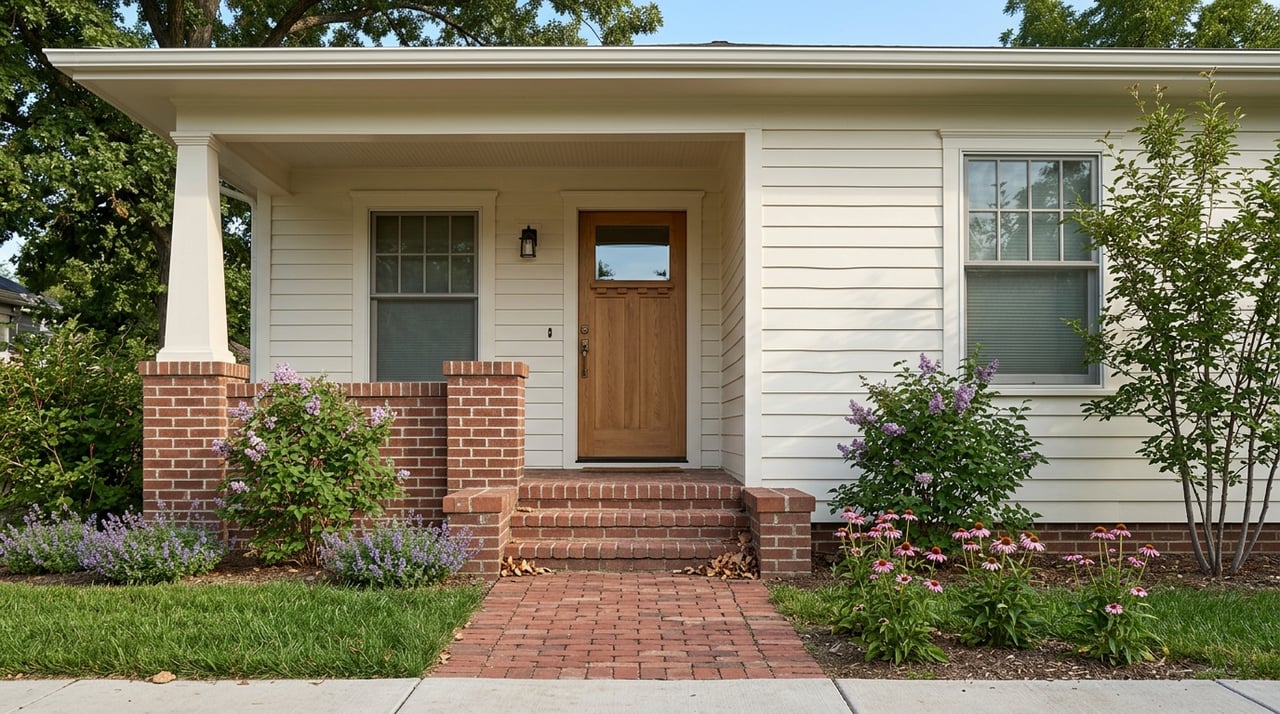
Many of Pueblo’s older neighborhoods were platted between 1869 and 1899 on a traditional street grid. In these areas, you will often see regular setbacks from the street, front porches, street trees, bluegrass lawns, and wood slat fences. That pattern gives many blocks a steady, established feel.
The architecture is also more varied than some buyers expect. Pueblo’s preservation documents point to Victorians, Queen Annes, Craftsman bungalows, Pueblo Revival homes, and vernacular worker housing often standing side by side. In other words, the charm here comes from variety, not strict uniformity.
That mix matters if you are house hunting. You may find ornate details on one block, a simpler bungalow next door, and practical worker-era housing nearby. Pueblo’s older residential fabric is known for eclectic combinations, so it helps to appreciate character rather than expect a perfectly matched streetscape.
Historic Areas Buyers Often Explore
South Pueblo and Mesa Junction
South Pueblo, including Mesa Junction and The Blocks, sits just south of downtown on the short mesas above the Arkansas River. The city describes this area as having some of the most interesting subdivision patterns and architecture in southern Colorado. If you like neighborhoods with visual variety and close ties to downtown, this area often draws attention.
Mesa Junction also connects easily to Pueblo’s broader arts and culture scene. It is part of the city’s Creative Corridor, which ties together Downtown Main Street, Union Avenue, and Mesa Junction through galleries, murals, cafés, and other walkable destinations. That makes the neighborhood appealing if you want a home base with easy access to local activity.
Bessemer
Bessemer grew around the old Colorado Fuel and Iron steel mill, and its history shaped both the neighborhood layout and the housing stock. The city describes it as one of the most ethnically diverse neighborhoods in Colorado and the Rocky Mountain West, with architecture that includes company housing, alley houses, ethnic churches, and homes with attached commercial spaces. That mix gives Bessemer a strong sense of historic identity.
For buyers, Bessemer can feel different from more purely residential areas. It reflects Pueblo’s industrial and immigrant history in a visible way, and that gives the neighborhood a lived-in, layered character. It is a good example of how Pueblo’s historic neighborhoods developed around work, community, and local services rather than around a single design style.
East Side
The East Side dates to formal development in 1872 and is described by the city as one of the largest concentrations of early homes in Pueblo. The neighborhood includes a wide range of architectural expression and reflects a broad mix of household types and housing histories over time. If you want older housing stock with deep roots in the city, the East Side is one area to know.
Because the East Side covers a large historic area, your experience can vary from block to block. That is often true in Pueblo’s older neighborhoods, and it is part of what makes touring homes here worthwhile. You are not just comparing square footage. You are comparing setting, street pattern, home style, and how each block connects to the city around it.
Lake Minnequa and Eilers Heights
Lake Minnequa began as part of the Town of Bessemer and developed to provide housing and services tied to the CF&I steel mill. Today, it remains a mixed-use neighborhood with residential, commercial, and recreation uses. That blend can appeal if you like a neighborhood with more than one role in daily life.
Eilers Heights is another historic mixed-use area, developed in the 1880s around the Colorado Smelter and CF&I Steel Mill. The city describes it as a grid-plan neighborhood with homes, services, and goods built for residents and workers. These neighborhoods help show that Pueblo’s historic character is not limited to grand old homes. It also includes practical, community-centered places shaped by local industry.
Corona Park
Corona Park offers a different pattern from Pueblo’s classic grid neighborhoods. The city describes it as a bluff-top residential suburb overlooking the Arkansas River and downtown, with curving streets, pocket parks, and many Victorian homes. If you want historic housing in a setting that feels less rigidly gridded, Corona Park is a notable contrast.
Daily Life in Pueblo’s Historic Core
Living in a historic neighborhood is about more than architecture. In Pueblo, daily life in and around the historic core includes art, dining, local business, and easy access to the riverfront. That balance is a big part of the appeal.
The Creative Corridor is centered on Downtown Main Street, the Union Avenue Historic District, and Mesa Junction. Official tourism sources describe it as full of galleries, museums, murals, fountains, cafés, live music, and street performers, with each district keeping its own character while still being easy to stroll between. If walkability matters to you, this is one of Pueblo’s strongest lifestyle advantages.
One standout event is the monthly First Friday Art Walk. It starts at 5 p.m. on the first Friday of every month and includes more than 35 galleries, restaurants, and businesses. For residents, that means arts programming is not just occasional. It is woven into the rhythm of downtown life.
Historic downtown also functions as both a shopping district and an emerging entertainment district. According to Visit Pueblo, Union Avenue alone has more than 50 shops along with cafés and access to the Riverwalk. That creates the kind of everyday convenience many buyers want when they picture a more connected, less car-dependent lifestyle.
Dining and Local Gathering Spots
Food is part of the historic-neighborhood experience in Pueblo, not something separate from it. Fuel & Iron Food Hall, located in the historic Holmes Hardware Building, brings together six restaurant concepts, a central bar, an art gallery, and community events. That kind of adaptive reuse reflects the way Pueblo keeps older buildings active in modern life.
You will also find long-running local businesses in the historic core. Hopscotch Bakery on Union Avenue is one example, known for Pueblo chile shortbread cookies and its place in the historic shopping district. Small details like that help a neighborhood feel personal rather than interchangeable.
The arts scene extends beyond storefronts and galleries. The Sangre de Cristo Arts and Conference Center adds another layer with arts education, a children’s museum, performances, meetings, and events. Nearby, Pueblo Neon Alley adds a nighttime visual landmark that blends public art with downtown identity.
Riverwalk and Trail Access
One of Pueblo’s biggest advantages is how the historic core connects to the riverfront. The Historic Arkansas Riverwalk of Pueblo is a 32-acre urban waterfront with a mile-long channel. It brought the Arkansas River back to the center of downtown after the flood-era diversion and now supports walking, boat rides, art, and festivals.
For many buyers, this is what makes Pueblo’s historic neighborhoods feel especially livable. You are not just near older homes and local businesses. You are also near a waterfront setting that is open daily, dog-friendly, and tied into the broader trail network.
The River Trail System adds even more outdoor access, with more than 30 miles of trails along the Arkansas River and Fountain Creek for walking, biking, and recreation. The city also notes that the downtown Whitewater Park is within walking distance of shops and restaurants in the Historic Downtown District. That kind of connection between outdoor space and downtown activity is a real quality-of-life benefit.
The Broader Pueblo Lifestyle
Pueblo’s historic neighborhoods are part of a larger southern Colorado lifestyle that appeals to many buyers. The city sits on the Arkansas River in southern Colorado, about 100 miles south of Denver, and Visit Pueblo says it enjoys more than 300 days of sunshine each year. Colorado.com also places Pueblo about 30 miles south of Colorado Springs along the I-25 corridor.
That location gives you access to both city amenities and regional recreation. Lake Pueblo State Park is only about 5 miles from downtown and offers boating, camping, paddleboarding, fishing, birding, and trails. If you want an older neighborhood with access to both culture and outdoor time, Pueblo offers a practical mix.
What Buyers Should Know About Historic Ownership
If you are shopping in a designated historic area, it is smart to understand the review process for exterior changes. Pueblo’s design review guidance notes that certain exterior work in landmarks and historic districts can be subject to preservation review. The Historic Preservation Commission oversees certificates of appropriateness and other approvals in those areas.
That does not mean owning in a historic area is difficult, but it does mean you should ask good questions early. If you are comparing homes, it helps to understand whether a property sits within a designated district and how that could affect future exterior updates. This is one of those details that is much easier to navigate when you have local guidance from the start.
Why These Neighborhoods Appeal to Buyers and Sellers
For buyers, Pueblo’s historic neighborhoods offer something harder to find in newer developments: established blocks, architectural variety, mixed-use surroundings, and a real connection to the city’s story. You may be drawn to a Victorian near downtown, a bungalow on a traditional grid, or a home in an area shaped by Pueblo’s steel-era past. Each option offers a different version of historic living.
For sellers, these neighborhoods often benefit from a clear identity that helps tell a strong marketing story. Features like front porches, walkable access, neighborhood history, nearby art districts, and riverfront amenities can all help buyers picture a lifestyle, not just a house. In markets with distinctive housing stock, that local context matters.
If you are considering a move in Pueblo, the key is to look beyond labels and spend time in the areas that fit your goals. Some buyers want the energy of downtown and Mesa Junction. Others prefer the historic fabric and mixed-use roots of Bessemer, East Side, Lake Minnequa, or Eilers Heights. The right fit usually comes down to how you want to live day to day.
If you want help buying or selling in Pueblo with practical local insight and a straightforward approach, John Liese Properties is here to help.
FAQs
What are Pueblo’s best-known historic neighborhoods?
- Pueblo’s historic areas that many buyers explore include South Pueblo, Mesa Junction, The Blocks, Bessemer, East Side, Lake Minnequa, Eilers Heights, and Corona Park.
What types of homes are common in Pueblo’s historic neighborhoods?
- Pueblo’s older neighborhoods include Victorians, Queen Anne homes, Craftsman bungalows, Pueblo Revival houses, and vernacular worker housing, often mixed together on the same blocks.
What is daily life like near Pueblo’s historic downtown?
- Daily life in Pueblo’s historic core can include walkable access to galleries, cafés, shops, public art, monthly First Friday Art Walks, the Riverwalk, and trail connections.
What is the Union Avenue Historic District known for in Pueblo?
- The Union Avenue Historic Business District is one of Pueblo’s defining historic commercial areas, with 87 properties, 70 of which contribute to the district’s historic and architectural importance.
What should buyers know about owning a home in a Pueblo historic district?
- Buyers should know that exterior work in designated historic areas may be subject to city preservation review, so it is important to confirm whether a property is in a historic district and ask about approval requirements early.