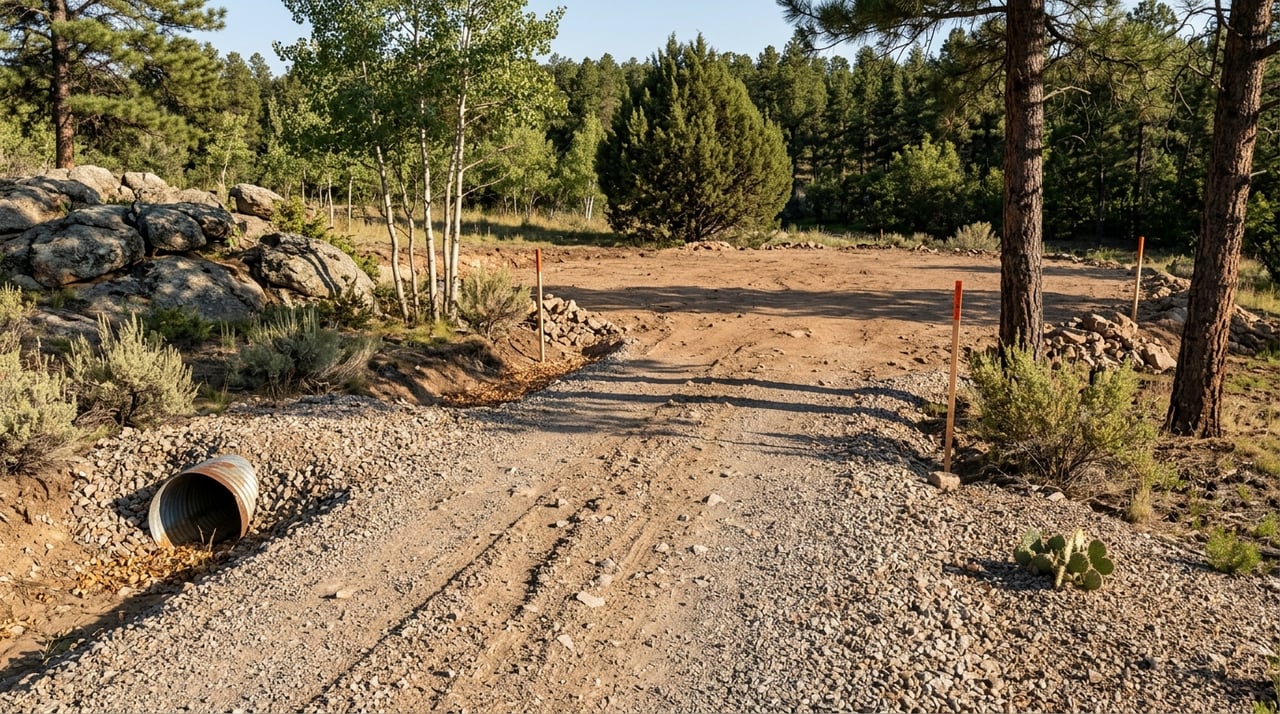
Buying raw land near Cotopaxi can feel like the first exciting step toward your cabin, home, or weekend escape. It can also get expensive fast if you fall in love with a parcel before you confirm what you can actually build there. If you want to avoid costly surprises, the smartest move is to check legal use, access, water, septic, and site conditions in the right order. Let’s dive in.
Start With Legal Use
Before you think about house plans or driveway placement, confirm that the parcel can legally support what you want to build. In Fremont County, zoning verification is tied to the property’s legal description, and the county notes that zoning information should be re-verified because regulations can change.
The county offers property-specific zoning verification at no cost, with a typical turnaround of three working days. That verification is valid for 60 days, which makes it a practical first step before you spend money on engineering, surveys, or design work.
Check the Zone District Early
Fremont County also provides a GIS zoning viewer, which can help you confirm the parcel’s zone district early in your research. This is a useful screening tool, but it should not replace a formal zoning verification when you are serious about a property.
Zone district matters because allowed uses and lot size requirements can vary a lot from one parcel to the next. A property that looks perfect on a map may not support your intended use under current county rules.
Know How Fremont County Defines a Cabin
If your goal is a cabin, this point matters more than many buyers expect. Fremont County defines a cabin as a single-family dwelling and limits that use to the Agricultural Forestry zone district, while recreational cabins are limited to the Travel Trailer Park and Campground district.
Minimum lot size also changes by district. The zoning resolution shows examples such as 35 acres in Agricultural Forestry and 4.5 acres in Agricultural Rural, so both the zoning and parcel size can determine whether your plans are even possible.
Evaluate Access Before You Assume Buildability
A beautiful parcel is not the same thing as an easy parcel to use. Near Cotopaxi, access can be one of the biggest factors in whether land works for your plans now, later, or only after added cost.
Start by finding out whether the parcel fronts a county road, depends on a private road, or sits on an unconstructed county right-of-way. Fremont County distinguishes between built county roads and other roads that may have been platted or dedicated but not constructed to county standards.
Understand the Driveway Permit Requirement
Fremont County requires a driveway access permit for access from any county maintained or unmaintained right-of-way. The county also requires inspector approval of the driveway location and any needed improvements before a building permit is issued.
That means driveway feasibility is not something to leave for later. If the parcel has limited frontage, drainage issues, or sight-distance challenges, your access plan may need adjustment before you can move forward.
Watch Frontage and Maintenance Issues
On parcels with less than 100 feet of county road frontage, only one driveway access is allowed unless the inspector approves more based on necessity. The county also requires adequate sight distance, a driveway angle of at least 45 degrees, and drainage control, with culverts or other improvements when needed.
It is just as important to know what the county does not do. Fremont County states that it is not responsible for constructing or maintaining the driveway or culvert, and the property owner is responsible for snow, ice, and related upkeep on the driveway access.
Check Water Options Early
Water is one of the most important buildability questions for raw land. For building permits in Fremont County, you need evidence of a potable water supply.
According to the county, this can include items such as a tap contract, recent water bill, well construction and test report, pump installation report, or other evidence of an existing well. If a parcel does not already have a water source in place, you need to know what path is realistic before you move ahead.
Wells and Cisterns Are Not the Same Thing
If you plan to drill a well, remember that every new groundwater well in Colorado requires a permit from the Division of Water Resources. That step can affect your timeline and due diligence, especially if you are comparing multiple parcels.
Some buyers ask whether a cistern can solve the water issue. Fremont County says a cistern may be accepted as a primary water supply only in limited cases, including parcels legally created before June 1, 1972 or parcels 35 acres or larger, and only after other water options have been exhausted.
The county also notes that there is no assurance that bulk water will always be available for sale. That is why it is smart to treat cistern use as a narrow exception, not a fallback you can automatically count on.
Don’t Treat Septic as a Small Detail
In raw land deals, septic feasibility can make or break the property. Fremont County regulates and inspects septic systems through the Building Department, and current OWTS regulations require a site and soil evaluation for each parcel.
The county does not perform soil evaluations itself. Those evaluations must be completed by an engineer or competent technician, which means septic feasibility often requires outside professional help during due diligence.
Soil, Slope, and Drainage Matter
A parcel that looks usable at first glance may still have septic challenges. Fremont County’s OWTS regulations restrict septic design in floodplains, floodways, and on slopes over 30 percent.
That is one reason it helps to review drainage patterns, low areas, and topography before you commit. If the ideal building pad leaves no practical area for a septic field, your build budget and design options can change quickly.
Screen for Hazards Before Design Work
Hazard screening should happen before you invest heavily in surveys, plans, or construction design. Fremont County’s subdivision regulations call for FEMA flood map review, geologic hazard mapping, wildfire hazard mapping, and a wildfire report in applicable reviews.
Even if a parcel looks dry or elevated, nearby drainage, steep ground, and wildfire exposure can still affect where you build and what it costs to develop the site. These issues can also influence driveway layout, septic placement, and defensible space planning.
Review Flood and Wildfire Conditions Early
If the parcel is near drainage or lower ground, review FEMA flood information before assuming you have an easy building site. Flood-related issues can affect building pads, septic areas, and driveway elevations.
Wildfire and geologic hazards also deserve early attention, especially in rural and foothill settings near Cotopaxi. A good early review can help you avoid putting time and money into a parcel that needs more mitigation than you expected.
Follow the Right Due Diligence Order
One of the easiest ways to waste money on raw land is to do the right checks in the wrong order. Fremont County’s structure suggests a practical sequence that can save you time and frustration.
Here is a smart order for evaluating raw land near Cotopaxi:
- Confirm zoning and legal use.
- Review road frontage and access requirements.
- Check potable water options.
- Test septic and soil feasibility.
- Screen for flood, slope, wildfire, and geologic hazards.
- Move on to survey, site planning, and building design.
Different County Offices Handle Different Answers
In Fremont County, one office does not handle every piece of the process. Planning and Zoning handles zoning and land-use questions, Transportation handles driveway access, and Environmental Health and Building handle septic-related review.
That matters because buyers sometimes get one answer and assume it covers everything. With raw land, buildability usually depends on several separate approvals and site-specific conditions.
Build Your Team Before You Need It
Raw land often calls for more than a standard home purchase checklist. Depending on the parcel, a strong due diligence team may include a surveyor, septic designer or installer, soil evaluator or engineer, well driller, and title professional.
Each one helps answer a different question. Survey and title work can help confirm easements, access rights, and other property constraints, while septic and water professionals can tell you whether the site works the way you hope it does.
A Simple Cotopaxi Land Checklist
If you are comparing parcels near Cotopaxi, keep this short checklist with you:
- Legal use and current zone district
- Parcel size and whether your intended dwelling is allowed
- County road frontage, private access, or unconstructed right-of-way
- Driveway permit requirements and winter access realities
- Potable water source, including well or tap evidence
- Cistern eligibility, if relevant
- Septic site and soil feasibility
- Floodplain, drainage, slope, wildfire, and geologic concerns
- Easements, access rights, and subdivision history
A parcel does not need to be perfect to be a good fit. It does need to match your goals, budget, and tolerance for extra work.
If you are looking at land near Cotopaxi, the best approach is practical and local. When you verify the basics first, you can move forward with more confidence and avoid buying land that looks promising but does not fit your plans.
If you want help thinking through raw land near Cotopaxi and the questions that come with rural property, John Liese Properties can help you evaluate the details before you build.
FAQs
What should you check first on raw land near Cotopaxi?
- Start with Fremont County zoning verification so you can confirm the parcel’s legal use, zoning classification, and whether your intended cabin or home is allowed.
Can you build a cabin on any raw land parcel in Fremont County?
- No. Fremont County defines a cabin as a single-family dwelling and limits that use to the Agricultural Forestry zone district, while recreational cabins are limited to the Travel Trailer Park and Campground district.
Does raw land near Cotopaxi need a driveway permit?
- Yes. Fremont County requires a driveway access permit for access from any county maintained or unmaintained right-of-way, and inspector approval is required before a building permit is issued.
What water proof is needed for a building permit in Fremont County?
- Fremont County wants evidence of a potable water supply, which may include a tap contract, recent water bill, well construction and test report, pump installation report, or other proof of an existing well.
Can a cistern be the primary water source for land near Cotopaxi?
- Sometimes, but only in limited cases allowed by Fremont County, including certain older parcels or parcels 35 acres or larger, and only after other water options have been exhausted.
Do you need a soil test for septic on raw land in Fremont County?
- Yes. Fremont County’s OWTS regulations require a site and soil evaluation for each parcel, and that work must be completed by an engineer or competent technician.
Why do floodplain and slope checks matter for land near Cotopaxi?
- They can affect where you place the home, septic system, driveway, and drainage improvements, and Fremont County restricts septic design in floodplains, floodways, and on slopes over 30 percent.