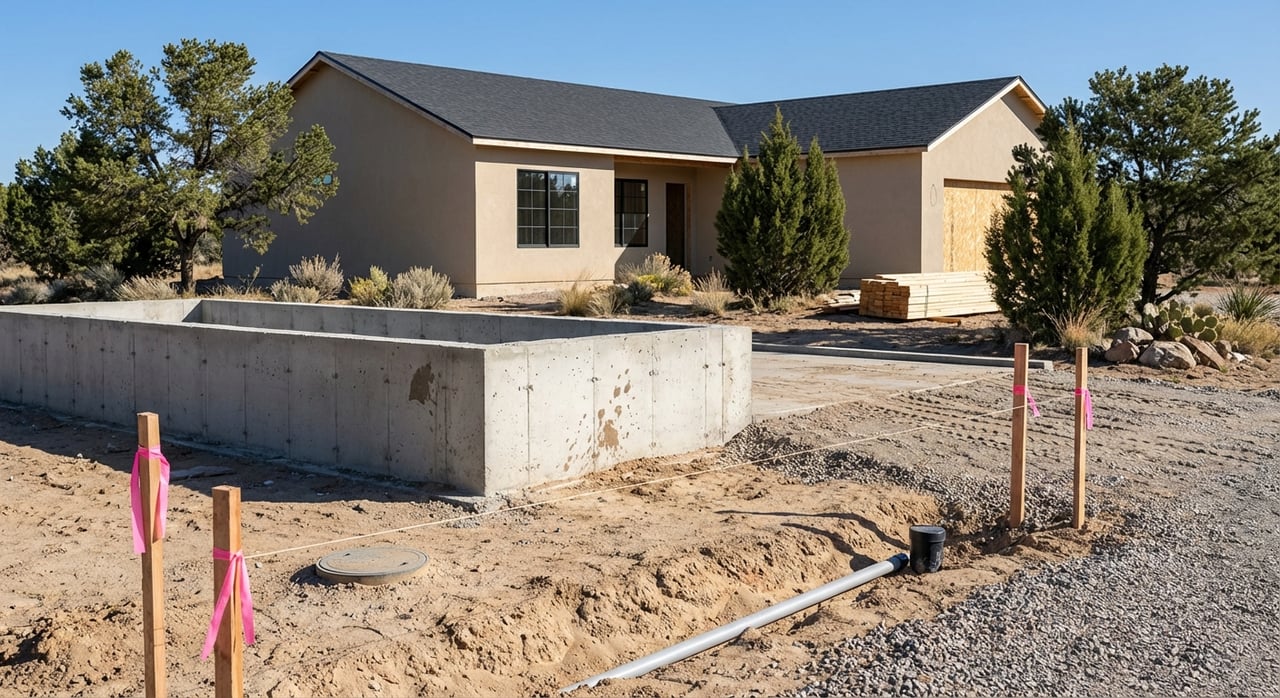
Dreaming about building a home on acreage in Pueblo West, but not sure where to start or what it costs? You’re not alone. Between covenants, county permits, utility taps and site studies, the path from raw land to keys can feel confusing. This guide breaks the process into clear steps tailored to Pueblo West and Pueblo County, with the key fees, timelines and checkpoints you should plan for. Let’s dive in.
Know who regulates your lot
Pueblo West sits in unincorporated Pueblo County, so two sets of rules usually apply. The Pueblo West Metropolitan District manages covenants and utilities, while Pueblo County handles zoning, building codes, and inspections. The District’s committee and utility departments are not the same as the County’s permit office, so expect two tracks.
Before you apply for anything, confirm who has jurisdiction for your parcel. Start with the District’s overview of roles in its Community Development FAQ, then confirm zoning under Pueblo County’s Unified Development Code. Permit authority is based on parcel location, not mailing address.
Zoning, setbacks and lot checks
Your zoning controls what you can build, minimum lot size, setbacks and accessory structures. Use the County’s UDC to confirm your zone and any special standards attached to your parcel. Also review your deed and survey for easements that might affect house placement.
If you are splitting land or adjusting boundaries, County subdivision rules apply. Ask early about any overlay districts or conditions that affect grading, drainage or roadway access.
Covenants and COA approvals in Pueblo West
Most Pueblo West parcels are governed by private covenants enforced by the Committee of Architecture, known as the COA. COA approval is a separate application from the County building permit and is often required before the County will accept a permit for review.
- Check the COA application fees, submittal deadlines and approval windows using the District’s COA fee and meeting schedule.
- Plan to stake your lot and proposed structure area. Visible staking and address signage help COA review move smoothly.
- Expect primary structure approvals to have a defined validity period. If you do not start within that window, you may need to reapply.
For context on how COA sign-off fits with County permitting, review the District’s FAQ.
Water and sewer: taps, fees and timing
Connection fees in Pueblo West are significant and should be budgeted early. The District publishes water and wastewater connection costs and a tap policy that affects availability.
- A standard 3/4 inch water connection totals $27,232.97 for 2026 service. That figure includes a Water Plant Investment Fee of $19,609, a Water Resource Fee of $5,960 and an estimated tap fee of $1,663.97. These fees were adopted in 2025 and are effective January 1, 2026.
- A comparable wastewater connection totals about $8,096.39 for 2026 service. That includes a Wastewater Plant Investment Fee of $7,425 and a tap fee of $671.39.
The District also limits how many new water taps it sells each year. The Board approved a policy to release 200 new water taps per year from 2026 through 2029, in staggered amounts. That can affect when you can buy a tap for your build. Review the current rules and fee tables in the District’s Water Tap Policy.
Practical notes:
- Verify tap availability in writing before you finalize plans.
- You will schedule the tap and meter set with the District after paying fees and after your County permit is issued.
- The District requires you to excavate to the meter location. Call 811 before you dig so utilities can be marked for safety.
Septic permits when sewer is not available
If central sewer is not available to your lot, you will need a septic system. In Pueblo County, septic systems are called Onsite Wastewater Treatment Systems, or OWTS. The Pueblo Department of Public Health and Environment issues OWTS permits after a site and soil evaluation.
Order the soil and site evaluation early, because the findings affect your house footprint, the number of bedrooms the system can serve, and where the leach field must go. The County updated OWTS fees with changes effective January 1, 2026. See permit and evaluation details on the County’s OWTS program page.
Access, driveways and stormwater rules
Any new access from a Pueblo County road requires an access permit. In Pueblo West, access may be permitted by the District or the County depending on the road. Plan for possible driveway or road upgrades like culverts or widening.
If your construction will disturb one acre or more, you will likely need state stormwater coverage and a County stormwater construction permit. Budget for drainage reports and any public works approvals that go with those permits. See the County’s access and stormwater standards in the Public Works code resources.
Environmental checks: floodplains, wells and minerals
Before you build, look at potential environmental constraints that change design, insurance or schedule.
- Floodplains. Use the FEMA Map Service Center to see if any mapped flood zones touch your lot. You can reach FEMA’s portal from this overview of the Flood Map Service Center.
- Oil and gas. Colorado’s energy regulator provides an interactive map that shows active and permitted wells. Check setbacks and activity near your parcel using the ECMC interactive map.
- Private wells. If your parcel is not served by District water, well permitting and water rights are handled by the State Engineer. Confirm feasibility and timelines with state staff and local drillers.
Site studies and the right pros
Most acreage builds benefit from early technical work so you can avoid surprises in plan review.
- Survey and plot plan. A current boundary survey identifies pins, easements and buildable envelopes. The COA and County typically require a clear site plan.
- Geotechnical or soils report. On sloped lots, areas with clay or any site with questionable fill, a soils report may be required for foundation design. The County enforces the 2021 International Codes and the 2023 National Electrical Code, so coordinate your submittals with those standards. See the adopted codes listed by the County’s Building Division here.
- Utilities. Identify your electric and gas providers early and ask about any line extensions or transformer work needed. Service availability varies by location.
Permitting path and timeline
Exact timing depends on your parcel and the season, but the flow below reflects common steps for Pueblo West acreage builds.
- Escrow due diligence, 30 to 60 days
- Confirm jurisdiction and zoning. Order survey and start soils or OWTS site and soil evaluations if needed.
- Ask the District to estimate your water and sewer connection fees and confirm tap availability under the tap policy.
- COA review, 2 to 6 weeks
- Stake the lot and structure area. Submit your COA package by the published deadline and track the next meeting date.
- County plan review and building permit, several weeks to a few months
- Submit a complete set of architectural, structural and site documents that match the County’s checklists. Back-and-forth on engineering can add time.
- Utility taps and on-site work
- After permit issuance and fee payment, schedule water and sewer taps with the District. You complete the excavation to the meter set, and the District performs the tap and meter set.
- Construction, 6 to 12 months for most single-family homes
- Weather, foundation type and complexity influence duration. Add time for driveway, drainage, septic and final grading. A 10 to 20 percent contingency for cost and time is prudent.
For contact points and the new County Building Division portal that launched January 1, 2026, start at the County’s main permits site at pueblopermits.com.
Budget basics and high-impact costs
Plan for both predictable fees and site-dependent items.
- Water and wastewater. For a 3/4 inch setup effective January 1, 2026, budget $27,232.97 for water and about $8,096.39 for wastewater, per the District’s Water Tap Policy. Larger meters cost more.
- Septic. If you need OWTS, include the County’s site and soil evaluation fee, the OWTS permit and the designer and installer’s charges. System type depends on soils and slope.
- Site work. Survey, plot plan, possible geotechnical report, driveway and access improvements, drainage plans and any road upgrades required by your access permit.
- Utilities. Electric or gas line extensions and trenching can vary widely by parcel.
- Build costs. Nationally, new construction is often cited in the range of $150 to $250 or more per square foot depending on design and finish level. Ask local builders for Pueblo West specific estimates.
- Contingency. Set aside 10 to 20 percent for both cost and time.
Buyer due diligence checklist
Use this quick list to keep your build on track.
- Confirm jurisdiction and zoning. Start with the County site at pueblopermits.com and the Pueblo County UDC.
- Pull COA covenants and requirements. Check the COA fee and meeting schedule and note staking needs.
- Get a written water and sewer connection estimate and verify tap availability under the Water Tap Policy.
- If no sewer, order the OWTS site and soil evaluation right away and plan for the County OWTS permit.
- Order a boundary survey and create a plot plan. Ask a geotechnical engineer about a soils scope if slopes or clays are present.
- Check flood zones via the FEMA Map Service Center portal and review energy activity on the ECMC map. Consider wildfire exposure and fire-response logistics.
- Pre-submit or consult the County Building Division about submittal requirements and code editions using the building codes page.
- Get bids from local builders and excavators, and plan your schedule around District tap timing and County inspections.
Ready to map your specific lot from contract to keys with clear milestones and costs? Reach out to John Liese Properties for local, hands-on guidance that keeps your Pueblo West build moving.
FAQs
How long does it take to build on acreage in Pueblo West?
- Plan 30 to 60 days for due diligence, 2 to 6 weeks for COA, several weeks to a few months for County plan review, then 6 to 12 months for construction depending on site and design.
What are the 2026 Pueblo West water and sewer fees?
- For a standard 3/4 inch setup effective January 1, 2026, water totals $27,232.97 and wastewater totals about $8,096.39, per the District’s published fee schedule.
Do you need COA approval before a County building permit?
- For lots within Pueblo West, COA sign-off is typically required before Pueblo County will route or accept a building permit, so plan to apply with the COA first.
What if central sewer is not available to my lot?
- You will need an OWTS septic system permitted by the Pueblo Department of Public Health and Environment, which starts with a site and soil evaluation that can influence your house layout.
Who issues the driveway access permit in Pueblo West?
- Access may be permitted by the Pueblo West Metropolitan District or by Pueblo County depending on the road, so confirm which agency controls your frontage before applying.
How do Pueblo West tap quotas affect my schedule?
- The District plans to release 200 new water taps per year from 2026 through 2029, so verify availability early because purchase timing can influence your construction start.